


Is plastic best for storing olive oil
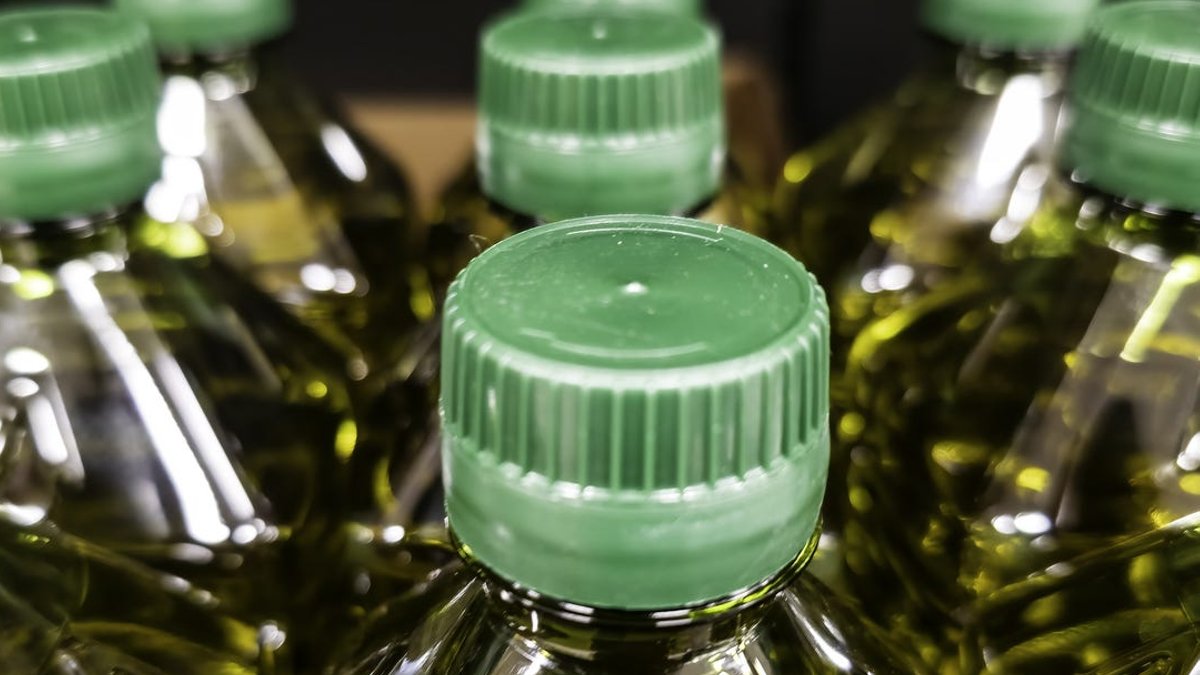
Olive oil in plastic squeeze bottles is now common in home kitchens, thanks to brands like Graza that made the format popular. But with growing concerns about plastic packaging, including PFAS exposure and microplastics, the question remains: Is plastic a safe choice for storing olive oil?
Food safety expert Jessica Brantley-Lopez, an MBA and registered dietitian nutritionist, says the answer isn’t straightforward. While plastic bottles aren’t inherently dangerous, some risks exist depending on how they’re made and used.
PFAS in plastic bottles: A potential but not guaranteed risk
The biggest concern with plastic olive oil bottles is PFAS, a group of chemicals linked to health issues when ingested over time. Brantley-Lopez notes that if a plastic bottle was treated with PFAS during manufacturing—common in some industrial containers—those chemicals could migrate into the oil.
However, not all plastic bottles contain PFAS. The risk depends on the bottle’s material, how it was processed, and how long the oil is stored. Some brands market their bottles as “PFAS-free,” but Brantley-Lopez warns there’s no enforceable standard for that claim. Without third-party testing, consumers can’t always verify whether PFAS are truly absent.
Fluorinated plastics, which are more likely to contain PFAS, aren’t typically used for olive oil packaging. Instead, they’re more common in containers for pesticides, fertilizers, or other industrial products. Researchers at the University of Notre Dame have found that PFAS from such containers can end up in food if the same materials are reused in agriculture.
For most plastic olive oil bottles, the PFAS risk is low, but not zero. The longer the oil sits in the bottle, especially in heat or light, the higher the chance of chemical migration.
Light, heat, and oxidation: Why plastic may not preserve olive oil well
Even if PFAS isn’t a concern, plastic isn’t ideal for long-term olive oil storage. Light, oxygen, and heat accelerate oxidation, which degrades the oil’s quality and can make it taste bitter or stale. Unlike glass or metal, plastic is more porous, allowing air and light to penetrate more easily.
Brantley-Lopez’s preferred container for olive oil is dark glass. It blocks light, reducing oxidation, and doesn’t require plastic linings that could introduce additional chemicals. Metal containers are also better than plastic, though some tins use plastic inner coatings to prevent reactions with the oil.
Related: Is Food With Freezer Burn Safe To Eat
The problem worsens with repeated use. Every time you open a plastic bottle, more air gets in, speeding up spoilage. Heat, like storing the bottle near the stove or in direct sunlight, only makes it worse. “The potential for chemicals to migrate from packaging generally increases with longer storage, especially with heat and repeated use,” Brantley-Lopez says.
This isn’t just about taste. While rancid oil isn’t necessarily unsafe, it loses its nutritional benefits and can ruin dishes. For professional chefs, who go through olive oil quickly, plastic squeeze bottles are practical, but even they often keep the bulk supply in glass or metal.
How to use plastic olive oil bottles safely (if you must)
If you rely on the convenience of a squeeze bottle, there are ways to minimize risks. The first rule: store it properly. Keep the bottle away from heat sources, direct sunlight, and humid areas. A pantry or cupboard is better than a counter near the oven.
Another strategy is to use plastic only for small, short-term amounts. Many professional kitchens store olive oil in glass or metal containers and transfer a small quantity to a plastic squeeze bottle for daily use. Brantley-Lopez says this approach works if the transfer is brief—a day or two—and the bottle is clean and dry before refilling.
She also advises against reusing plastic bottles beyond their intended lifespan. Over time, even PFAS-free plastic can degrade, increasing the risk of chemical leaching. If the bottle becomes cloudy, develops an odd smell, or shows signs of wear, it’s time to replace it.
For those who want to avoid plastic entirely, glass or metal containers remain the safest long-term options. They protect the oil from light and air, preserve flavor, and don’t introduce additional chemicals.
If you do use plastic, the key is moderation. Treat it as a short-term solution, not a permanent storage method. And always check the label: some brands specify whether their plastic is food-safe or PFAS-free, though those claims should be taken with caution.


