


The Art of Tempura: Light Batter, Crisp Texture
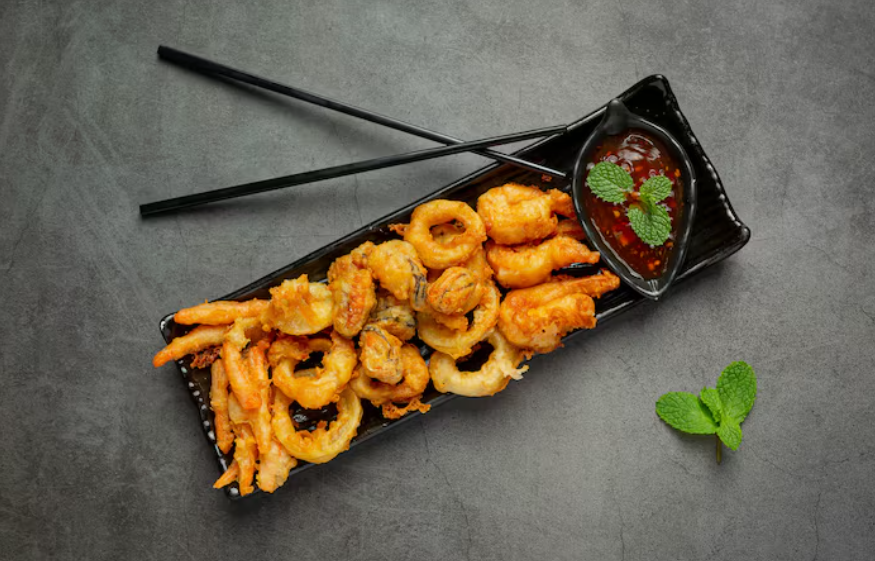
Tempura looks simple. A few ingredients, a quick fry, a delicate crunch. But anyone who has tried making it at home knows the truth. Great tempura is all about control, especially when it comes to temperature, batter, and timing. Mastering these elements is what separates heavy, oily coatings from the kind of light, crisp texture that almost melts on the tongue.
If you are serious about improving your results, these tempura cooking tips will help you move closer to restaurant-level perfection.
Oil Temperature Is Everything
The single most important factor in tempura is oil temperature. Too cool and the batter absorbs oil, becoming greasy and heavy. Too hot and the exterior burns before the inside cooks.
The ideal range is 350°F to 375°F (175°C to 190°C).
A thermometer is the most reliable tool, but you can also test the oil by dropping in a small amount of batter. If it sinks briefly, then rises and sizzles steadily, the oil is ready. If it sinks and stays there, the oil is too cool. If it explodes on contact, it is too hot.
Maintaining that temperature while frying in small batches prevents crowding, which causes heat drops and soggy results.
The Batter: Cold and Loosely Mixed
Traditional tempura batter is simple: flour, egg, and ice-cold water. The key is how you combine them.
Use ice-cold water. The temperature contrast between the cold batter and hot oil helps create the signature light crust. Some cooks even chill the bowl before mixing.
When combining the ingredients, stir gently and do not overmix. Lumps are not a problem. In fact, they are encouraged. Overmixing develops gluten, which makes the coating chewy instead of crisp.
A few strokes with chopsticks or a fork is enough.
Choose the Right Flour
Low-protein flour produces a lighter crust. Cake flour or a blend of all-purpose flour with a small amount of cornstarch works beautifully. The goal is minimal gluten development for maximum crispness.
This detail alone can dramatically improve your results and is one of the most overlooked tempura cooking tips.
Preparation of Ingredients Matters
Dry ingredients are essential. Moisture on shrimp or vegetables causes the batter to slide off and can create splattering. Pat everything dry before dipping.
Cut vegetables evenly so they cook at the same rate. Thin slices of sweet potato, zucchini, mushrooms, green beans, and eggplant work especially well. For shrimp, score the belly slightly to keep them from curling while frying.
Frying Technique: Gentle and Patient
Dip each piece lightly into the batter, letting excess drip off. Place it into the oil away from you to prevent splashing.
Do not move the pieces too quickly. Allow the crust to form before turning. Most items cook in under two minutes. When the coating turns pale golden and floats lightly, it is ready.
Drain on a rack or paper towels, but do not stack. Steam trapped between layers destroys crispness.
Dipping Sauce: Balanced and Clean
Classic tempura dipping sauce is simple and clean: broth, soy sauce, and a hint of sweetness. Grated daikon radish or fresh ginger adds brightness and cuts through the richness of the fried coating.
The sauce should support the tempura, not dominate it. Keep it light, warm, and served on the side.
Salt: The Purist’s Finish
Many chefs prefer finishing tempura with nothing more than fine sea salt. Salt allows the natural sweetness of seafood and vegetables to shine without distraction.
For variation, blend the salt with matcha, yuzu zest, or finely ground dried citrus peel. A gentle sprinkle just before serving highlights the crisp texture and clean flavor.
Final Thoughts
Tempura is not about heavy seasoning or complicated technique. It is about respect for ingredients and careful attention to detail. When oil temperature, batter handling, and ingredient preparation align, the result is that unmistakable light crunch that defines perfect tempura.
With these tempura cooking tips, every home cook can bring a little of that elegance to their own kitchen, one crisp bite at a time.
This post was written by a professional at Fortu. Fortu stands out among the top Restaurants St Petersburg FL, offering an elevated Pan-Asian dining experience in the heart of St. Petersburg, Florida. Celebrating Asia’s vibrant and diverse culture, Fortu introduces bright and bold flavors to a bright and bold city with a menu of locally and sustainably sourced options, from small bites to hearty delicacies. Whether winding down from a beach day or celebrating a special occasion, guests can enjoy a lush, alluring atmosphere and an authentic taste of Asia’s divine cuisine at one of the finest Pan-Asian Restaurant.

Dom Perignon: What You Should Know about this Prestigious Champagne


