


When to Add Oil to Your Pan
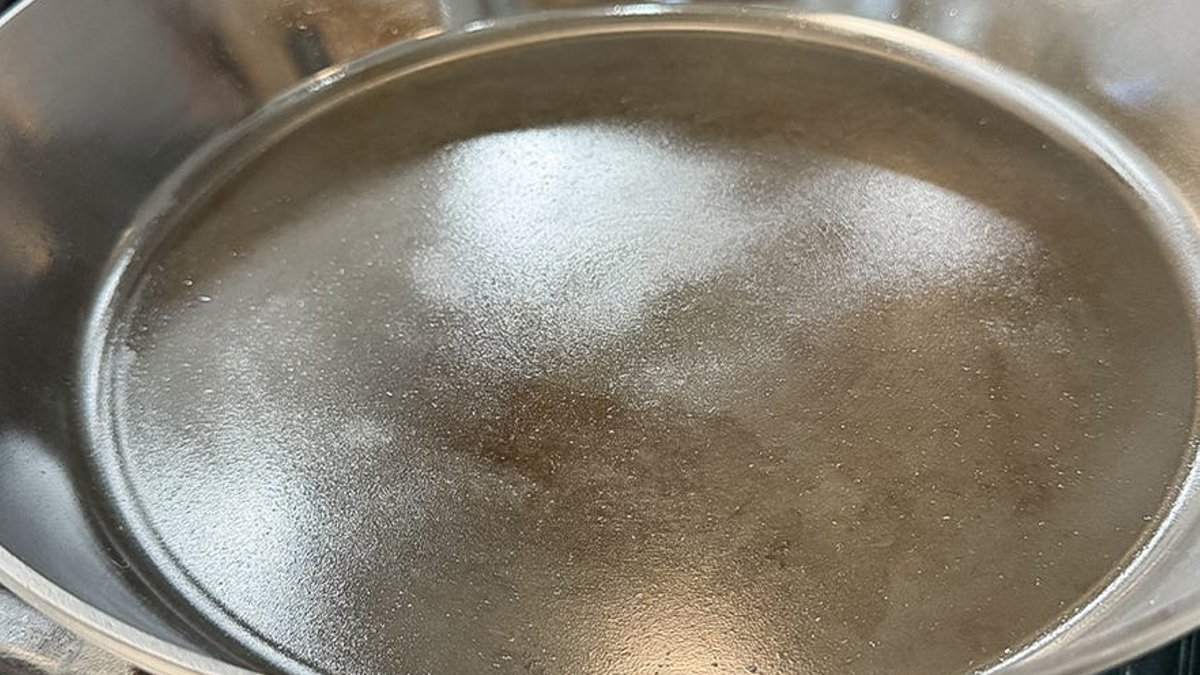
The debate about when to add oil to a pan is a longstanding one in the cooking world. Like many culinary conundrums, there’s no firm answer here that can be applied to every situation. But there are best practices that you can follow, depending on the type of pan you’re using.
For nonstick pans, it’s recommended to add oil or another cooking fat before turning on the heat. This is because heating an empty nonstick pan can cause the coating to release toxins into the air.
Adding oil to a nonstick pan before heating it can also help enhance the pan’s nonstick properties. This is a significant benefit, as it can make cooking and cleaning easier.
In contrast, enameled cast iron pans should never be heated empty, but for a different reason. The uneven heat can cause the enamel coating to chip, crack, or even split apart.
Related: Is Food With Freezer Burn Safe To Eat
To prevent this, it’s essential to add something to the pan, such as oil or another fat, to disperse the heat evenly. This will help extend the life of the pan, which is especially important for expensive Dutch ovens.
Cast iron pans without an enamel coating, on the other hand, can be heated empty. However, excessive high heat can dry out the cast iron surface over time if not properly moisturized.
It’s a good idea to rub cast iron pans with a little oil as they’re cooling, especially if they’re used frequently for dry heat cooking. This will help maintain the pan’s condition and prevent it from becoming too dry.
The use of stainless steel pans is a topic of debate among culinary professionals. Some argue that oil should be added to the pan before heating, while others say it’s not necessary.
Related: What’s the Difference Among Sushi, Sashimi, and Maki?
As long as the pan is heated on medium heat until it’s hot, there’s no need to add oil. To check if the pan is ready, try flicking a little water onto the dry surface. If the water droplet dances, the pan is ready for cooking oil.
If the water spits or sizzles aggressively, the pan may be too hot, and it’s recommended to remove it from the heat until it cools down. This simple test can help prevent overheating and ensure that the pan is at the right temperature for cooking.
What’s your favorite type of pan to cook with? Let us know in the comments below!

